
Gas vs. Lithium Golf Carts: Cost Breakdown, Range & Performance (2026 Comparison)
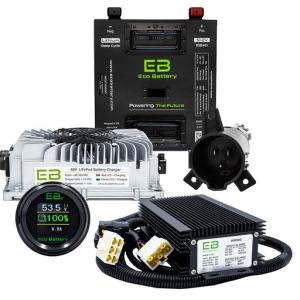
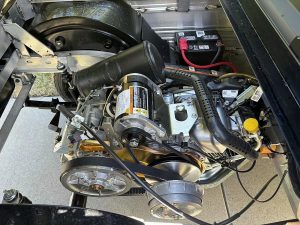
Choosing between a gas-powered golf cart and a lithium-electric golf cart is one of the most critical decisions buyers face when shopping for a vehicle. While legacy lead-acid batteries are rapidly being phased out across the industry, lithium-ion battery technology and modern Electronic Fuel Injection (EFI) gas engines represent the two dominant choices on the market today.
This breakdown evaluates both powertrains across upfront costs, long-term ownership expenses, range capabilities, maintenance requirements, and overall performance.
1. Upfront Purchase Cost
-
Gas Golf Carts: Generally feature a lower initial purchase price. Base models typically range between $9,500 and $14,000, depending on custom features, seating capacity, and trim levels.
-
Lithium-Electric Golf Carts: Carry a higher initial sticker price, usually ranging between $11,500 and $17,000+. The premium cost is driven primarily by the advanced lithium-ion battery pack and high-output Battery Management System (BMS).
2. Long-Term Cost Breakdown & Maintenance
While gas carts are less expensive upfront, long-term operational costs shift the financial comparison:
| Cost Factor | Gas-Powered Golf Carts | Lithium-Electric Golf Carts |
| Fuel / Power | Gasoline expenses ($3.50–$4.50/gal average). | Minimal electricity cost per full charge (~$0.50–$1.50). |
| Routine Maintenance | Requires annual oil changes, spark plugs, fuel filters, and belt inspections. | Zero routine engine/battery maintenance. No water topping, terminal cleaning, or oil changes. |
| Component Lifespan | Engines last 10–15+ years with regular maintenance; mechanical wear items require periodic replacement. | Lithium battery packs last 8–12+ years (3,500+ charge cycles) with minimal degradation. |
| Long-Term Total Cost | Higher ongoing fuel and maintenance expenses offset the lower initial purchase price over time. | Higher upfront investment is typically recovered within 3–5 years through fuel and maintenance savings. |
3. Range & Refueling Efficiency
-
Gas Range & Refueling:
-
Range: 100–150 miles on a single 5-to-6-gallon tank.
-
Turnaround: Instant. Refueling takes under two minutes at any standard gas station, making gas carts ideal for commercial fleets, large farms, hunting estates, and all-day recreational use.
-
-
Lithium Range & Charging:
-
Range: 35–60 miles per charge (depending on battery pack capacity, usually 60Ah to 105Ah+).
-
Turnaround: Fast charging allows a full recharge in 2.5 to 4 hours, with partial “opportunity charging” during lunch or breaks without damaging battery chemistry.
-
4. Performance, Weight & Terrain Handling
-
Weight Advantage: Lithium battery packs weigh up to 300 lbs less than traditional lead-acid setups and are significantly lighter than a full gas engine and fuel tank assembly. This lighter weight results in faster acceleration, less turf compaction, and reduced wear on tires and suspension components.
-
Power Consistency:
-
Lithium Carts: Maintain 100% full speed and power right up until the battery charge is completely depleted, avoiding the slow power fade typical of older lead-acid batteries.
-
Gas Carts: Deliver high torque for heavy hauling and steep incline climbing, though engine noise and minor exhaust emissions are present during acceleration.
-
-
Weather Resistance: Gas engines perform consistently in extreme sub-zero winter temperatures, whereas extreme cold can temporarily reduce lithium battery operating range (though modern lithium packs feature integrated thermal management to mitigate winter loss).
5. Final Verdict: Which Powertrain Fits Your Needs?
-
Choose a Gas Golf Cart if:
-
You need unlimited daily range and don’t want to stop for hours to recharge.
-
You operate in remote areas without easy access to electrical outlets.
-
You want a lower initial purchase price and prefer mechanical serviceability that any small-engine mechanic can handle.
-
-
Choose a Lithium Golf Cart if:
-
You want near-zero routine maintenance and the lowest cost-per-mile operation.
-
You prioritize a quiet, odor-free ride in noise-sensitive neighborhoods or golf communities.
-
You want rapid acceleration, lighter vehicle handling, and plug-and-play charging at home.
-