
Gas Golf Cart Buying Guide: Top Models, Engine Tech & What to Look For
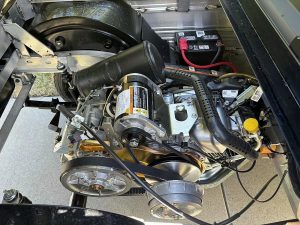
While electric and lithium models continue to expand across neighborhood streets, gas-powered golf carts remain a preferred choice for utility hauling, extended properties, commercial resorts, and long-distance driving. Offering unmatched operational range, rapid refueling, and reliable cold-weather performance, modern gas carts deliver a dependable driving experience across any terrain.
This gas golf cart buying guide breaks down everything you need to know before making a purchase—from essential engine technologies and chassis materials to top brand comparisons.
1. Why Choose a Gas Golf Cart?
Before diving into engine specs, consider the practical advantages that make gas-powered models a lasting favorite:
-
Infinite Range Potential: A typical gas golf cart runs 100 to 150 miles on a single 5-to-6-gallon tank of standard unleaded fuel.
-
Zero Recharge Downtime: Refueling takes under two minutes at any gas station or fuel pump, eliminating 3-to-8-hour charging stops.
-
All-Weather Reliability: Gas engines maintain full power and starting reliability in freezing temperatures, avoiding the temporary range loss experienced by battery systems in cold climates.
-
Proven Serviceability: Mechanical small-engine architecture means standard maintenance can be performed easily at home or serviced by any qualified local small-engine technician.
2. Essential Engine Technology: EFI vs. Carbureted
When evaluating gas carts, the single most critical technical component to verify is the fuel delivery system:
Electronic Fuel Injection (EFI) — Recommended Standard
Modern premium gas models utilize Electronic Fuel Injection (EFI) rather than older carburetor setups. EFI systems rely on an engine control unit (ECU) to automatically adjust the fuel-to-air mixture based on temperature and elevation.
-
Smoother Cold Starts: No manual choke required; turns over instantly in cold weather.
-
Better Fuel Economy: Delivers up to 30% greater fuel efficiency compared to carburetors.
-
Cleaner Emissions & Less Odor: Significantly reduces exhaust smell and overall carbon emissions.
Purpose-Built vs. Adapted Engines
Top manufacturers build purpose-built golf cart engines designed specifically for low-speed torque, frequent stopping and starting, and low noise decibels (such as the E-Z-GO EX1 or Yamaha 357cc OHV), providing higher longevity than repurposed industrial engines.
3. Frame Construction: Aluminum vs. Steel
Because gas engines sit on the chassis frame for years, selecting the right frame material is crucial to preventing long-term corrosion:
-
Rustproof Aluminum Frames: Featured on models like the Club Car Onward and Club Car Tempo, lightweight aluminum box-beam frames are completely rustproof. They are ideal for coastal areas, snowy regions with road salt, or humid environments.
-
Powder-Coated Steel Frames: Featured on many standard models, steel frames provide robust structural strength at a lower price point, though they require routine inspections for paint chips or surface rust over time.
4. Top Gas Golf Cart Models to Consider
Club Car Onward / Tempo Gas
The 2026 Club Car Tempo GAS and Onward series deliver commercial-grade performance built on a rustproof AlumiCore™ aluminum chassis. Powered by a 429cc Kohler OHV engine with EFI delivering 14.0 HP, it provides strong torque for hill climbing and heavy passenger loads.
E-Z-GO Express & Valor Series
The 2026 E-Z-GO Express 6 Gas Golf Cart and 2026 E-Z-GO Valor EFI feature the purpose-built EX1 closed-loop EFI engine. The EX1 engine is engineered specifically for low decibel output, smooth acceleration, and class-leading fuel efficiency, making it an excellent option for family cruising and multi-passenger transport.
Yamaha Drive2 QuieTech EFI
The 2026 Yamaha Drive 2 Golf Cart sets the industry standard for sound dampening and ride comfort. Equipped with a 357cc Yamaha-built EFI engine and Fully Independent Rear Suspension (IRS), the QuieTech series produces the lowest decibel output in the gas cart category while delivering a smooth, automotive-style ride over rough terrain.
5. Essential Features Checklist Before You Buy
When testing or configuring your gas golf cart, verify the following options:
-
Seating Capacity & Flip Seats: Decide between 2-passenger, 4-passenger, or 6-passenger configurations. A rear flip seat transforms passenger seating into a flat cargo bed for gear or utility hauling.
-
Lift Kits & All-Terrain Tires: If driving over dirt trails, steep hills, or unpaved property, opt for a factory 3-inch or 4-inch suspension lift with 20-inch or 22-inch all-terrain tires for added ground clearance.
-
Lighting & Street-Legal Readiness: Ensure your cart includes LED headlights, taillights, turn signals, and a horn if you plan to convert it into a street-legal Low-Speed Vehicle (LSV) for neighborhood use.
-
Noise Reduction Systems: Test drive the vehicle at top speed (19 mph) to evaluate cabin engine noise and vibration levels.
Summary: How to Choose the Right Model
-
Choose Club Car Gas for maximum frame durability, rust protection, and commercial-grade horsepower.
-
Choose E-Z-GO Gas for smooth acceleration, quiet operation, and optimal fuel economy.
-
Choose Yamaha Gas for off-road ride comfort, independent suspension, and the quietest engine output on the market.
Ready to explore the latest gas golf carts? Contact the team at Intermountain Golf Cars today to check available inventory, discuss custom builds, or schedule a test drive at one of our dealership locations!