
The Impact of Trump’s Tariffs on the U.S. Golf Cart Industry
By Paul Jensen | Special Report
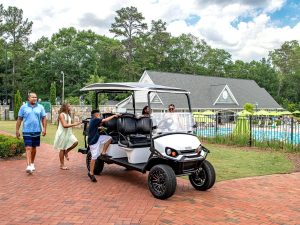
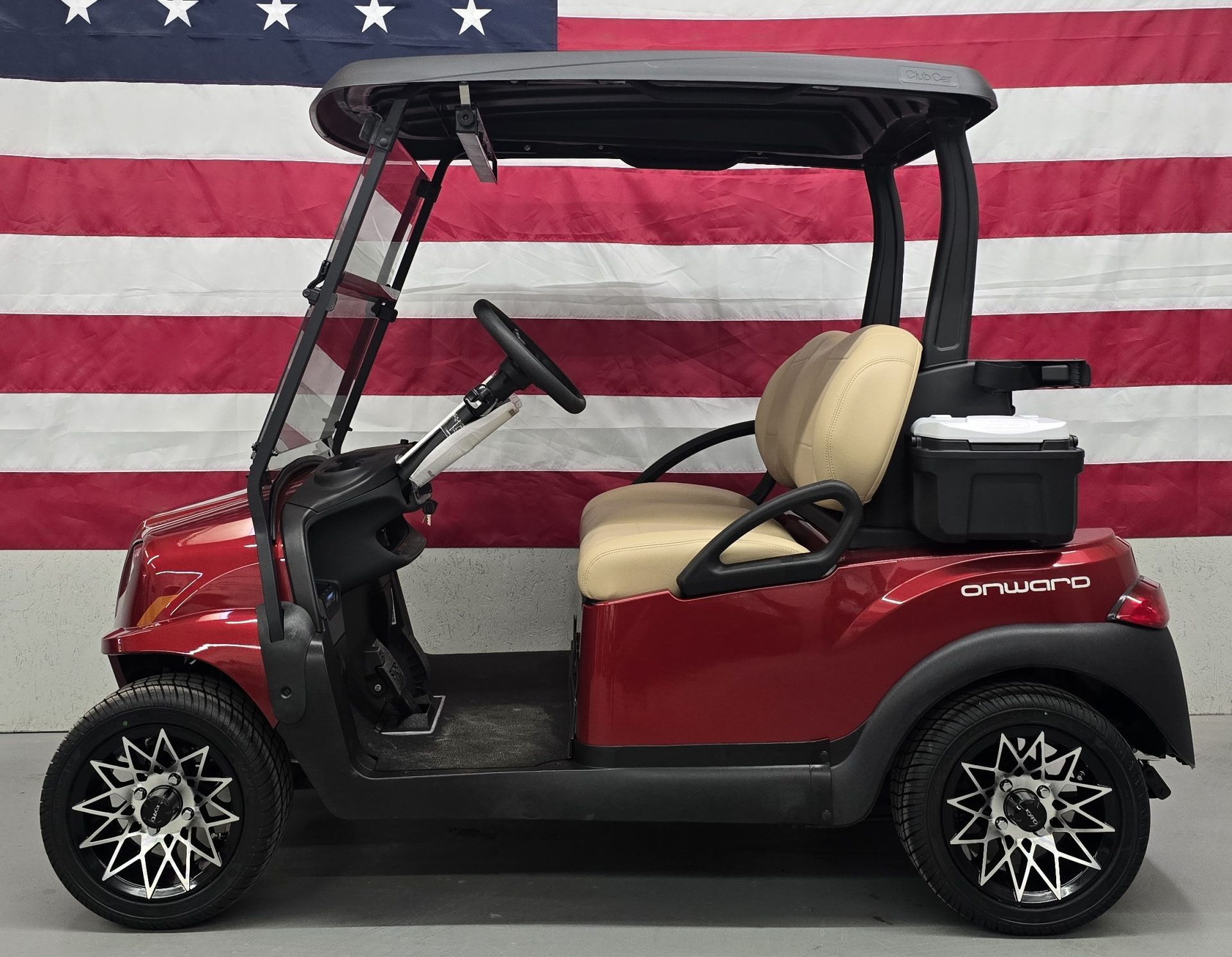
SANDY, Utah —
When former President Donald Trump introduced broad tariffs on imported goods from China and other trading partners, most of the nation’s attention focused on household items, automobiles, and agricultural goods. However, a quieter corner of the American economy — the golf cart industry — has also felt lasting impacts.
Rising Import Costs, Shrinking Margins
Manufacturers and dealers of electric vehicles (EVs) and golf carts, such as Denago EV, have faced elevated costs on imported batteries, motors, and controller components that make up a large portion of each cart’s total value. Imported parts, especially lithium-ion batteries, have seen tariff-related cost increases of up to 25% since 2018, according to the U.S. International Trade Commission (USITC).
These tariffs were originally intended to incentivize reshoring of key manufacturing processes. Yet for many small and mid-sized retailers, the cost pressures have instead narrowed profit margins and slowed down inventory turnover.
“The golf cart market is still strong — demand is there,” said Tom G., a regional manager for Denago EV. “But pricing flexibility has become a real challenge when every shipment costs more before it even arrives at the dock.”
Domestic Producers See Mixed Outcomes
While some American-based manufacturers benefited temporarily from competitive advantages, the overall market has experienced pricing volatility. Industry analysts note that domestic assembly of golf carts still depends on foreign inputs — especially lithium batteries, which remain heavily sourced from Asia.
According to Bloomberg’s 2024 Manufacturing Cost Index, replacement costs for electric vehicle components rose by more than 12% in the two years following tariff expansions, leading manufacturers to explore alternative supply chains in Mexico and Southeast Asia.
Consumers Still Buy, But Adjust Expectations
For household communities and golf course managers, the tariffs have translated into modest price hikes — often between $800 to $1,500 per cart. Despite that, many dealers report steady interest and new growth avenues through personal-use buyers seeking energy-efficient transportation for local travel and recreation.
“People still want affordable, stylish, and quiet vehicles,” added Casey, an industry representative. “The shift we’re seeing now is more toward EV-powered neighborhood transport than just traditional course use.”
What’s Ahead
As policy discussions in Washington continue about rolling back or expanding existing tariffs, the golf cart industry remains a bellwether for how small-scale U.S. importers adapt to global trade pressures. Many are betting on technological innovation and localized partnerships to sustain growth in the years ahead.
📚 Sources:
- U.S. International Trade Commission (USITC) – “Tariff Impact Report on Electric Vehicle Components,” 2023.
- Bloomberg Intelligence – Manufacturing Cost Index, Q3 2024.
- U.S. Department of Commerce – Trade Policy Review on Electric Vehicle Supply Chains (2024).
- Denago EV official site: https://denagoev.com/
- Club Car official site https://clubcar.com